Giải pháp thay thế Luna Notes tốt nhất hoạt động ở mọi nơi | HoverNotes
AI Notes19 tháng 1, 2026•Updated: 16 tháng 7, 2026
Giải pháp thay thế Luna Notes tốt nhất hoạt động ở mọi nơi
Khám phá luna-notes-alternative-that-works-everywhere: một giải pháp thay thế Luna Notes thực tế, hoạt động trên nhiều thiết bị, lý tưởng cho những người học nghiêm túc.
Bởi HoverNotes Team•23 phút đọc
TL;DR: Luna Notes rất tốt cho YouTube, nhưng học tập nghiêm túc xảy ra trên nhiều nền tảng khác nhau. Nếu bạn cần một công cụ ghi chú cho Udemy, Coursera, các cổng đại học hoặc thậm chí là các tệp video nội bộ, bạn cần một lựa chọn thay thế toàn diện. HoverNotes là một tiện ích mở rộng Chrome hoạt động trên mọi website có video, ghi lại bối cảnh hình ảnh như mã và sơ đồ (không chỉ là bản ghi), và lưu ghi chú dưới dạng tập tin Markdown trực tiếp vào máy tính của bạn, rất phù hợp cho những người dùng Obsidian và Logseq.
Nếu bạn đang tìm kiếm một lựa chọn thay thế Luna Notes có thể hoạt động ở mọi nơi, bạn đang tìm một công cụ không bị giới hạn trên một nền tảng duy nhất. Luna Notes tốt cho YouTube, nhưng một công cụ thực sự toàn diện không quan tâm video nằm ở đâu – nó hoạt động trên Coursera, Udemy, các cổng đại học riêng tư, và thậm chí cả các tệp video nội bộ trên máy tính của bạn.
#Tại sao bạn có thể cần một lựa chọn thay thế Luna Notes
Luna Notes có giao diện gọn gàng và làm tốt một việc: giúp bạn ghi chú theo dấu thời gian trên các video YouTube. Để nắm bắt nhanh một kiến thức từ hướng dẫn, nó là lựa chọn chắc chắn.
Nhưng học tập nghiêm túc hiếm khi đơn giản như vậy. Nó hầu như không bao giờ chỉ diễn ra trên một nền tảng duy nhất. Việc học của bạn bị phân tán, rải rác trên cả tá nguồn khác nhau.
Đây là lúc các công cụ giới hạn nền tảng trở nên phiền phức. Bạn có thể xem một bài giảng chính trên cổng đại học của bạn, tìm một video giải thích bổ sung trên YouTube, học một khóa đào sâu trên Udemy, rồi xem lại cuộc họp nhóm ghi hình lưu ở đám mây. Một công cụ chỉ gắn với một trong những trang đó sẽ tạo ra các silo kiến thức, làm phân tán ghi chú và làm đứt gãy kết nối giữa các ý tưởng.
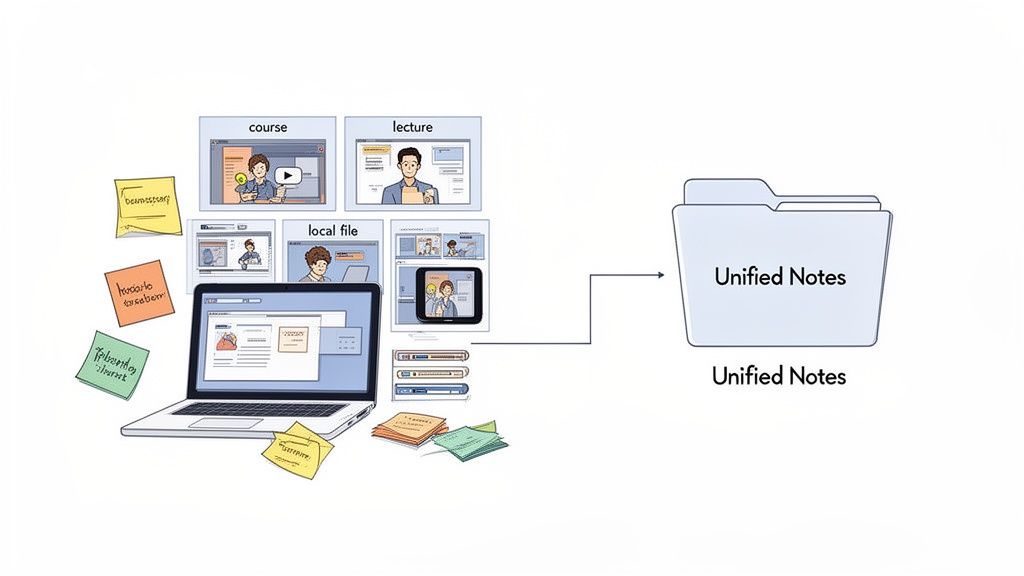
Ghi chú thủ công cũng rất nhàm chán. Việc liên tục tạm dừng, phát lại, và đánh máy làm gián đoạn dòng suy nghĩ. Một giải pháp "hoạt động mọi nơi" sẽ thích nghi với thói quen học của bạn, không phải ngược lại. Nó cho phép bạn xây dựng một hệ thống duy nhất, thống nhất để ghi lại kiến thức từ bất cứ video nào.
#Luna Notes và các lựa chọn thay thế toàn diện so sánh thế nào về phạm vi hỗ trợ nền tảng?
Sự khác biệt cơ bản là phạm vi. Một công cụ là chuyên gia; công cụ kia là tổng quát, được thiết kế cho thực tế lộn xộn của cách chúng ta thực sự học. Với bất kỳ ai nghiêm túc xây dựng kho tri thức cá nhân thống nhất, sự khác biệt này là tất cả.
Dưới đây là một bảng tóm tắt nhanh về nơi mỗi công cụ có thể hoạt động.
Nền tảng / Tính năng
Luna Notes
HoverNotes (Lựa chọn thay thế mọi nơi)
YouTube
✅ Có
✅ Có
Udemy, Coursera
❌ Không
✅ Có
Cổng Đại học
❌ Không
✅ Có
LinkedIn Learning
❌ Không
✅ Có
Vimeo, Bilibili
❌ Không
✅ Có
Video Nội bộ
❌ Không
✅ Có
Quyền Sở Hữu Dữ Liệu
Dựa trên Đám mây
Ưu tiên cục bộ (tệp .md)
Mục tiêu không chỉ là ghi chú; mà là xây dựng một thư viện liên kết lâu dài những gì bạn đã học. Điều đó đòi hỏi một công cụ không bắt buộc bạn phải đổi ngữ cảnh hay loại bỏ một số nguồn video khỏi hệ thống kiến thức của bạn. Với những người tận tâm với ghi chú ưu tiên cục bộ, có một công cụ duy nhất lưu tất cả trực tiếp trên hệ thống của riêng mình là lợi thế lớn.
"Bạn sở hữu các tập tin. Di chuyển, sao lưu, tìm kiếm chúng bằng grep — tất cả chỉ là Markdown."
Để tối đa hóa việc học, bạn cần kết hợp hệ thống của mình với các chiến lược ghi chú hiệu quả đã được kiểm chứng. Một công cụ toàn diện là bước đầu tiên. Nó gỡ bỏ các rào cản kỹ thuật và cho phép bạn tập trung vào việc học và ghi nhớ, bất kể bạn tìm nội dung ở đâu.
#Vấn đề với các công cụ ghi chú phụ thuộc nền tảng
Sử dụng công cụ chỉ hỗ trợ một nền tảng tạo ra ma sát.
Hãy nghĩ về một sinh viên đại học điển hình học ngành kỹ thuật phần mềm. Các bài giảng của họ nằm trên cổng đại học riêng tư. Giáo sư giao bài tập trên YouTube. Để tiến bộ hơn, họ đăng ký một khóa học Python nâng cao trên Udemy.
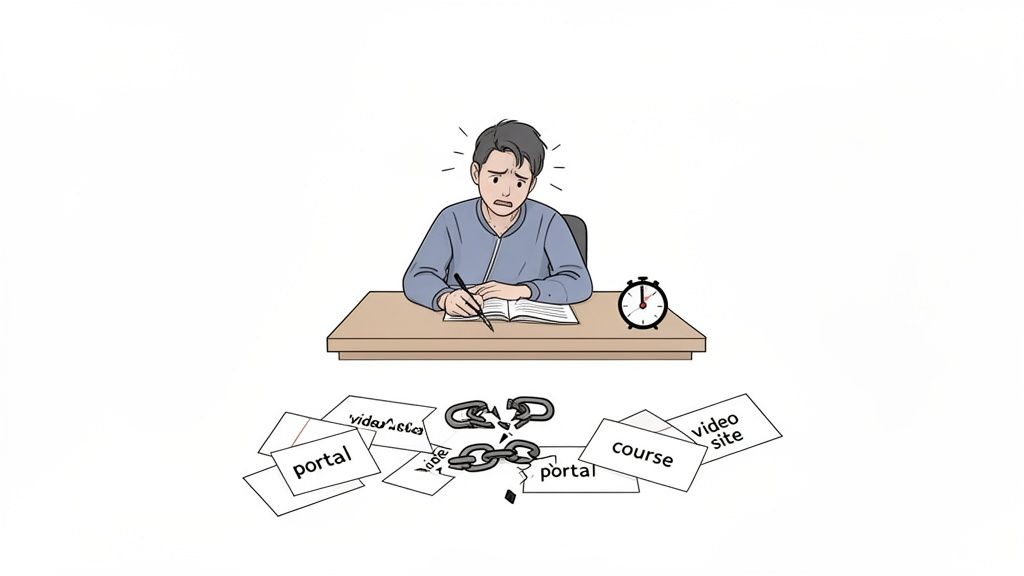
Việc học bị phân tán, nhưng ghi chú thì không thể theo kịp. Nếu công cụ của họ chỉ dùng được trên một trang, kho tri thức bị vỡ vụn. Ghi chú từ bài giảng chính nằm ở một ứng dụng, kiến thức từ khóa học Udemy nằm ở ứng dụng khác, và các chi tiết quan trọng từ hướng dẫn YouTube bị ngắt kết nối.
Thiết lập này làm mất mục đích của một trung tâm kiến thức tập trung. Thay vì kết nối các ý tưởng, người học liên tục chuyển đổi ngữ cảnh, cố nhớ xem họ đã lưu thông tin quan trọng ở đâu.
Sự phân mảnh này cản trở việc học sâu. Hiểu biết thực sự đến từ việc tổng hợp thông tin từ nhiều nguồn. Một công cụ bị khóa nền tảng sẽ chống lại điều này bằng cách tạo ra các silo kiến thức cô lập.
Bạn không có một mạng lưới hiểu biết tích hợp; bạn chỉ có một đống ghi chú rời rạc. Năng lượng tinh thần phải dùng để quản lý các hệ thống khác nhau là năng lượng nên dành cho việc học thực sự.
#Khi hệ sinh thái học tập của bạn rộng hơn công cụ bạn dùng
Người học nghiêm túc cần công cụ thích ứng với họ. Hệ sinh thái học của bạn đa dạng và luôn thay đổi. Hôm nay có thể là Coursera và YouTube; ngày mai có thể là cổng đào tạo công ty và chuỗi các bài giảng tải về.
Điều này cũng cho thấy một khoảng trống khác: học offline. Nhiều người tải video khóa học về để học khi không có mạng. Một công cụ chỉ chạy trên trình duyệt và không xử lý được video lưu cục bộ bỏ qua trường hợp sử dụng phổ biến này, khiến một phần quan trọng trong quá trình học không được hỗ trợ.
Các công cụ học tập hiệu quả là những công cụ hòa nhập vào quy trình làm việc của bạn, hoạt động mọi nơi bạn có, trên bất cứ nội dung nào bạn cần. Chúng không nên quy định nơi chốn hay cách thức bạn học.
#Tại sao truy cập đa nền tảng quan trọng cho kiến thức lâu dài?
Chọn công cụ ghi chú là một khoản đầu tư cho kiến thức tương lai của bạn. Một công cụ hoạt động mọi nơi đảm bảo khoản đầu tư này sinh lợi, dù nguồn học của bạn có thay đổi thế nào.
Điều này đặc biệt đúng với những người dùng hệ thống như Obsidian, nơi triết lý toàn bộ là tạo ra một kho tri thức thống nhất, liên kết chặt chẽ. Một lựa chọn thay thế Luna Notes hoạt động khắp nơi không chỉ là tính năng tiện ích — mà còn là yêu cầu để xây dựng một thư viện tri thức cá nhân bền vững. Điều này càng quan trọng khi xem xét chi phí và giới hạn ngày càng tăng của các nền tảng khác, như phân tích giá cả của Otter.ai chúng tôi đã trình bày. Công cụ của bạn nên hỗ trợ quy trình làm việc, không làm phức tạp thêm.
#So sánh sâu hơn về các tính năng cốt lõi cho người học
Đây không phải là việc tìm ra "kẻ chiến thắng" duy nhất. Luna Notes là công cụ sắc bén, tập trung cho YouTube. Đây là để làm rõ lựa chọn cho người học nghiêm túc cần một lựa chọn thay thế Luna Notes hoạt động khắp nơi. Chúng ta sẽ xem xét các tính năng quan trọng khi ghi nhận kiến thức từ video và sở hữu lâu dài.
Tóm lại là khác biệt về triết lý: công cụ của bạn được xây dựng cho một nền tảng duy nhất, hay đi theo bạn suốt hành trình học tập?
#Tương thích nền tảng: Hộp công cụ YouTube so với Toàn bộ Internet
Phân chia đầu tiên là phạm vi hoạt động. Luna Notes được thiết kế dành riêng cho YouTube.
Nhưng công cụ toàn diện như HoverNotes hoạt động ở một cấp độ hoàn toàn khác. Là một tiện ích mở rộng Chrome, nó thiết kế để làm việc trên mọi website có trình phát video. Điều này mở rộng toàn bộ hệ sinh thái học tập của bạn:
Cổng riêng tư: Các trang bài giảng đại học và trung tâm đào tạo nội bộ công ty.
Các trang video khác:Vimeo, Bilibili và vô số trang khác.
Tệp nội bộ: Công cụ này thậm chí hoạt động trên các tệp video lưu trên máy tính của bạn, một tính năng thiết yếu cho học offline.
Khả năng tương thích rộng này có nghĩa bạn có một hệ thống ghi chú nhất quán mọi nơi. Cách bạn ghi chú từ một video YouTube cũng giống như cách bạn ghi chú từ bài giảng đại học có mật khẩu.
#Nội dung ghi chú: Dựa trên bản ghi so với AI đa phương thức
Đây là điểm hai cách tiếp cận khác biệt. Chất lượng thông tin bạn ghi lại ảnh hưởng đến mức độ hữu dụng của ghi chú sau này.
Luna Notes chủ yếu dựa vào bản ghi lời nói trong video. Điều này phù hợp với nội dung nói nhưng bỏ sót phần lớn câu chuyện với các chủ đề kỹ thuật hoặc hình ảnh. Bản ghi không thể hiện một đoạn mã, sơ đồ phức tạp, hay quy trình đang diễn ra trên màn hình.
Công cụ AI đa phương thức như HoverNotes không chỉ nghe — nó xem.
Khác với các công cụ chỉ phân tích bản ghi, HoverNotes xem video để nắm bắt chính xác những gì hiển thị trên màn hình — bao gồm mã, sơ đồ và tất cả.
Điều này có nghĩa các ghi chú do AI tạo bao gồm mô tả các thành phần hình ảnh cùng với lời nói. Với lập trình viên xem hướng dẫn lập trình, đó là khác biệt giữa một ghi chú chỉ nói "bây giờ ta sẽ thêm hàm" và ghi chú chứa chính đoạn mã trên màn hình.
#So sánh chi tiết tính năng: Luna Notes và HoverNotes
Hãy đặt các tính năng cốt lõi cạnh nhau. Bảng này thể hiện triết lý của mỗi công cụ được chuyển hóa thành khả năng thực tế như thế nào.
Luna Notes cung cấp trải nghiệm hoàn chỉnh, đơn giản cho YouTube. HoverNotes được xây dựng cho những người học xem video là nguồn tri thức chính trên web và yêu cầu một hệ thống mạnh mẽ, linh hoạt, và hoàn toàn kiểm soát được.
#Quyền sở hữu dữ liệu: Các silo đám mây so với Markdown ưu tiên cục bộ
Việc lưu trữ ghi chú của bạn ở đâu và như thế nào là một vấn đề rất lớn lâu dài, đặc biệt nếu bạn nghiêm túc về Quản lý tri thức cá nhân (PKM).
Luna Notes lưu ghi chú của bạn trên dịch vụ đám mây của họ. Điều này thuận tiện để truy cập nhanh nhưng có nghĩa là kiến thức của bạn bị giam giữ trên nền tảng đó. Nếu dịch vụ thay đổi, đóng cửa, hoặc bạn muốn chuyển đi, việc lấy ghi chú ra có thể rất phiền phức.
Một lựa chọn ưu tiên cục bộ lại theo hướng hoàn toàn ngược lại.
Sự khác biệt này là tất cả đối với người xây dựng "bộ não thứ hai". Mục tiêu là tạo ra một kho tri thức duy nhất, có thể tìm kiếm và lâu dài. Với những người dùng này, lưu trữ ưu tiên cục bộ không phải là tính năng tuỳ chọn; nó là điều kiện bắt buộc. Bạn có thể tìm hiểu sâu hơn qua hướng dẫn của chúng tôi về ứng dụng ghi chú tốt nhất dành cho sinh viên.
#Làm thế nào để quyết định công cụ ghi chú phù hợp với quy trình của bạn?
Chọn công cụ ghi chú không phải là tìm một ứng dụng “tốt nhất” duy nhất. Mà là tìm một ứng dụng hòa nhập vào quy trình làm việc của bạn một cách trơn tru. Công cụ phù hợp nên cảm giác như một phần mở rộng tự nhiên của cách bạn đã học.
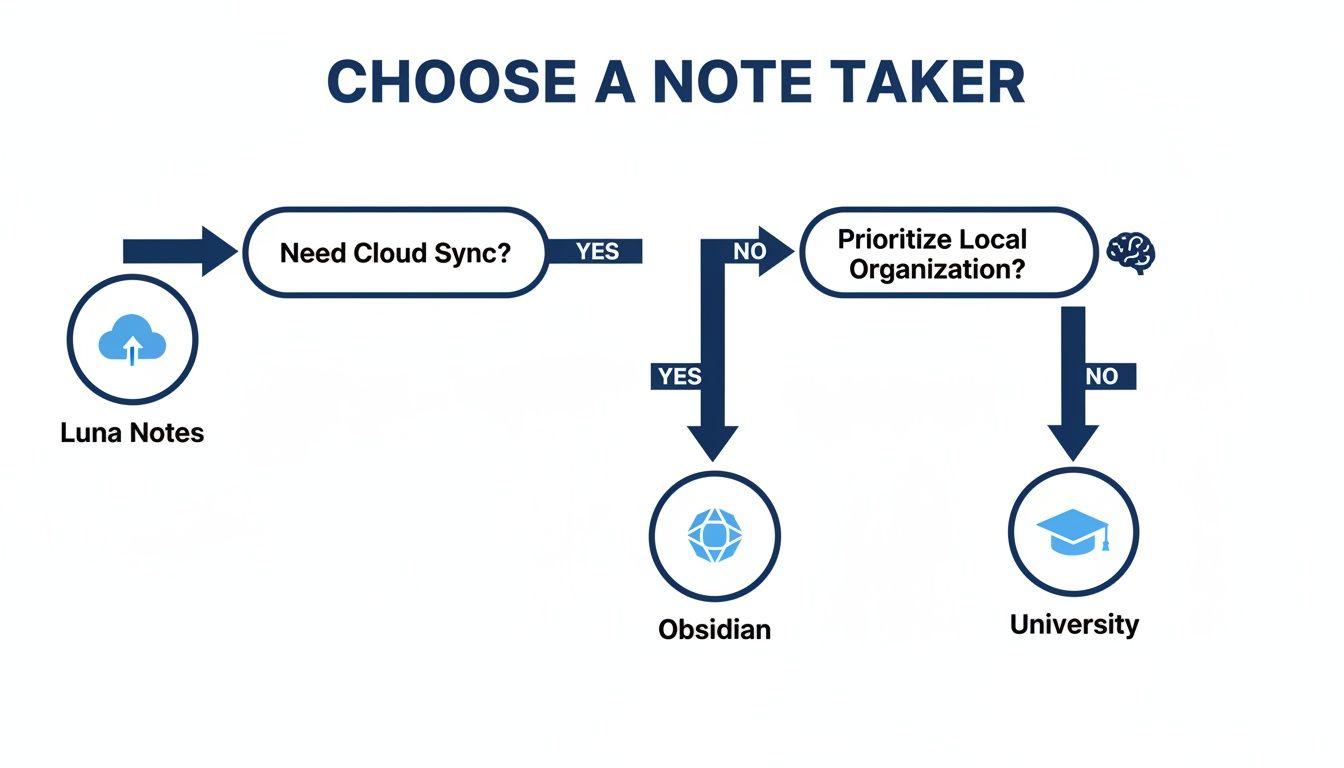
Sơ đồ quyết định này có thể giúp bạn tìm ra con đường phù hợp.
Lựa chọn phụ thuộc vào nơi bạn học và bạn ưu tiên thuận tiện đám mây hay quyền sở hữu ghi chú cục bộ.
Luna Notes là công cụ hoàn toàn phù hợp cho người dùng cụ thể:
Bạn là người học YouTube phổ thông. Mục tiêu chính là ghi nhanh các ghi chú theo dấu thời gian từ các video công khai YouTube.
Bạn thích một thiết lập đồng bộ đám mây đơn giản. Bạn ưa sự dễ dàng khi đăng nhập và không quá quan tâm đến tệp cục bộ hay tích hợp với các ứng dụng khác.
Bạn không sử dụng công cụ ưu tiên cục bộ. Các ứng dụng như Obsidian hoặc Logseq không nằm trong hệ thống của bạn.
Tóm lại, nếu thế giới học tập của bạn chỉ quanh quẩn YouTube và bạn coi trọng sự đơn giản, Luna Notes hoàn thành tốt nhiệm vụ.
Nhưng nếu việc học của bạn phức tạp hơn? Nếu bạn cảm thấy bức bối với công cụ chỉ một nền tảng, đã đến lúc cần một lựa chọn thay thế Luna Notes hoạt động mọi nơi.
Người dùng Obsidian và Logseq
Đây là nhóm rõ ràng nhất. Nếu bạn xây dựng kho tri thức cá nhân với Obsidian, bạn cần một công cụ hiểu “ngôn ngữ” của nó.
Ghi chú được lưu dưới dạng .md thẳng vào kho Obsidian của bạn, không định dạng hay dịch vụ đồng bộ độc quyền — ghi chú thuộc về bạn. HoverNotes được xây dựng chính xác cho quy trình này.
Sinh viên đại học
Các bài giảng của bạn nằm trên cổng đại học riêng tư như Canvas hay Blackboard. Công cụ YouTube chuyên biệt không hữu dụng ở đây. Một lựa chọn thay thế hoạt động trên mọi website là cách duy nhất để ghi chú trên tài liệu khóa học bắt buộc.
Lập trình viên phần mềm
Bạn thường xuyên chuyển đổi giữa các hướng dẫn YouTube, khóa đào sâu trên Udemy, và các bài nói hội nghị ghi hình. Với bạn, bối cảnh hình ảnh là tất cả. Một bản ghi chỉ đề cập "hàm" thì vô nghĩa nếu không thấy mã. Công cụ có thể nhìn video và ghi lại text trên màn hình là điều cần thiết.
Người học đa ngôn ngữ
Bạn có thể xem bài giảng bằng tiếng Nhật nhưng muốn ghi chú bằng tiếng Anh. Công cụ AI có khả năng phiên âm ngôn ngữ gốc và tạo ghi chú bằng ngôn ngữ ưa thích của bạn phá bỏ rào cản, mở kho tri thức toàn cầu.
Mỗi người học này cần thứ gì đó hơn là công cụ giới hạn nền tảng có thể cung cấp. Quy trình của họ yêu cầu sự linh hoạt, quyền sở hữu dữ liệu, và sức mạnh ghi nhận thông tin phong phú, hình ảnh từ bất kỳ nguồn nào. Việc hiểu sâu về phần mềm quản lý tri thức cá nhân là chìa khóa xây dựng hệ thống bền vững cho ý tưởng của bạn.
Chuyển từ công cụ chuyên biệt sang công cụ hoạt động mọi nơi chỉ là thay đổi tư duy đơn giản. Thay vì tự hỏi, "Công cụ của tôi có hoạt động ở đây không?" bạn chỉ cần biết nó sẽ làm. Bắt đầu với một lựa chọn thay thế Luna Notes hoạt động mọi nơi thật sự chỉ mất chưa đến năm phút.
Mục tiêu là xây dựng một hệ thống duy nhất, tin cậy để thu thập tri thức từ bất kỳ video nào và thả thẳng vào kho tri thức cá nhân. Không ma sát.
#Hướng dẫn khởi động nhanh quy trình làm việc toàn diện
Việc thiết lập gần như tức thì. Với công cụ như HoverNotes, một tiện ích mở rộng Chrome, bạn chỉ mất ba lần nhấp là có thể ghi chú mọi nơi.
Cài tiện ích mở rộng: Lấy nó từ Chrome Web Store.
Chỉ đến thư mục ghi chú của bạn: Lần đầu sử dụng, tiện ích sẽ hỏi nơi lưu ghi chú. Chỉ cần chỉ tới kho Obsidian hoặc bất kỳ thư mục nào trên máy tính.
Thử ở mọi nơi: Mở video trên Udemy, Coursera, hoặc cổng đại học riêng tư. Bấm tiện ích, bảng ghi chú sẽ xuất hiện.
Chỉ vậy thôi. Bạn đã xây dựng được quy trình làm việc hoạt động trên bất kỳ website nào có video.
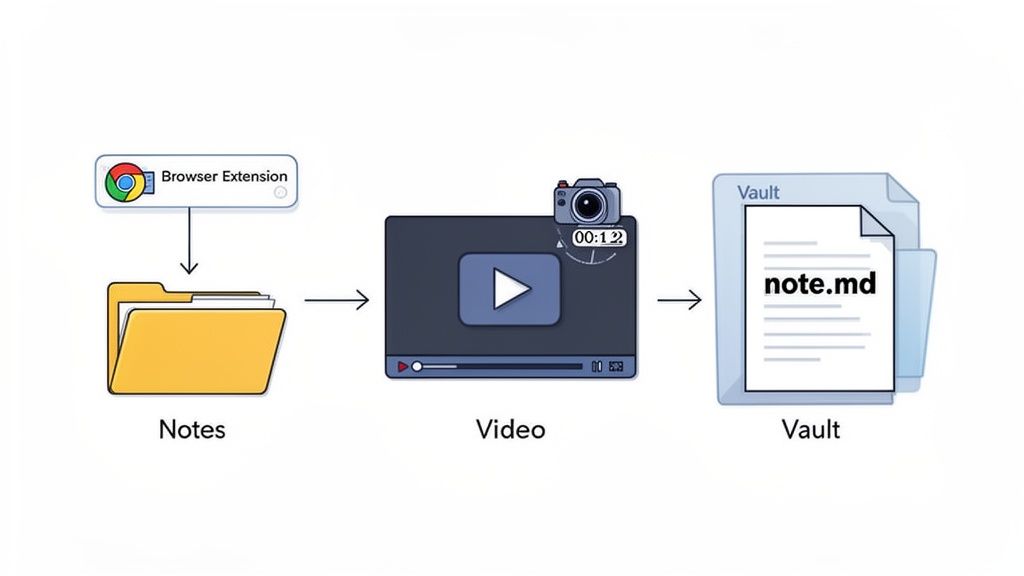
Tiện ích hoạt động như cầu nối đơn giản giữa video trên trình duyệt và tệp Markdown cục bộ trong thư mục ghi chú.
Khi đã chạy, vài tính năng sẽ giúp bạn tập trung và tăng cường ghi nhớ.
Chế độ video khóa các yếu tố gây mất tập trung và đặt ghi chú ngay bên cạnh nội dung. Đó là điều chỉnh nhỏ nhưng tạo khác biệt lớn giúp bạn giữ tập trung trong các bài giảng dài.
Làm quen với ảnh chụp màn hình có dấu thời gian. Thay vì tả sơ đồ phức tạp hay dòng mã, bạn chỉ cần chụp ảnh nó. Mỗi ảnh kèm dấu thời gian có thể bấm — một lần nhấp đưa bạn trở lại đúng khoảnh khắc đó. Với người học cần ghi lại lời nói, kết hợp điều này với dịch vụ phiên âm mạnh mẽ tạo ra kho lưu trữ học tập có thể tìm kiếm hiệu quả.
Với những thói quen đơn giản này, bạn không chỉ ghi chú mà còn xây dựng kho tri thức hữu ích, bền vững. Để có thêm ý tưởng tổ chức thông tin, xem hướng dẫn tạo ghi chú video hiệu quả của chúng tôi.
#Tương lai học video là tích hợp và ưu tiên cục bộ
Khi video trở thành phần trung tâm trong cách chúng ta học, công cụ phải theo kịp. Cách làm cũ với một công cụ cho YouTube và một công cụ khác cho Coursera không còn hiệu quả. Nó tạo ma sát và làm rối kiến thức của bạn.
Tương lai là có một hệ thống làm việc trơn tru suốt đời học tập của bạn, bất kể video được lưu trữ ở đâu.
Đây là lúc phần mềm ưu tiên cục bộ và quyền sở hữu dữ liệu thực sự phát huy. Khi ghi chú của bạn bị khóa trong đám mây độc quyền, bạn chỉ đang thuê quyền truy cập vào bộ não của chính mình. Quyền sở hữu thực sự là ghi chú sống trên máy tính bạn, ở định dạng bạn kiểm soát.
Khi ghi chú lưu dưới dạng tệp Markdown (.md) thuần trên máy của bạn, chúng thật sự thuộc về bạn và có thể dùng lâu dài. Bạn không còn bị lệ thuộc vào công ty có thể thay đổi giá cả, bị mua lại hoặc đóng cửa.
Bạn sở hữu các tập tin. Di chuyển, sao lưu, tìm kiếm chúng bằng công cụ dòng lệnh — tất cả chỉ là văn bản.
Triết lý này là nền tảng cho các công cụ như Obsidian và Logseq. Nó biến ghi chú từ các mục riêng lẻ trong cơ sở dữ liệu người khác thành một phần lâu dài, liên kết của bộ não số của riêng bạn. Đây là cách bạn ngừng là người xem video thụ động và bắt đầu xây dựng kho tri thức tồn tại suốt đời.
Đầu tư lớn này cho thấy nhu cầu rõ ràng với các công cụ tạo giá trị lâu dài. Với bất kỳ người học nghiêm túc nào, lựa chọn thay thế Luna Notes hoạt động mọi nơi lưu ghi chú cục bộ là bước đi hợp lý duy nhất tiếp theo.
Đó là giải pháp cho vấn đề ghi nhớ video vì nó biến những hiểu biết của bạn thành hữu hình, có thể tìm kiếm và thật sự là của bạn. Là sự khác biệt giữa việc ghi chú nhanh một ý tưởng và sở hữu nó vĩnh viễn.
Bạn có thể dùng thử HoverNotes miễn phí — bạn được 20 phút tín dụng AI, không cần thẻ tín dụng. Ngay cả khi không dùng AI, chế độ tránh phân tâm và ảnh chụp màn hình cũng rất đáng giá. Xác nhận các tùy chọn hiện tại trên trang giá HoverNotes.
Khi bạn tìm kiếm cách ghi chú tốt hơn từ video, luôn có vài câu hỏi quan trọng. Dưới đây là câu trả lời thẳng thắn.
#Tôi có thể dùng trên các website đại học hoặc công ty riêng tư không?
Chắc chắn. Đây là một trong những lý do lớn khiến mọi người tìm một lựa chọn thay thế Luna Notes hoạt động mọi nơi.
Tiện ích trình duyệt như HoverNotes gắn vào bất kỳ trình phát video nào trên website. Điều đó có nghĩa nó hoạt động tốt trên các cổng đại học được bảo mật và các trang đào tạo công ty nội bộ cũng như trên YouTube. Nó được thiết kế cho những nơi học tập thực sự diễn ra.
#Quyền sở hữu dữ liệu khác với Luna Notes như thế nào?
Đây là điểm lớn. Luna Notes lưu ghi chú của bạn trên máy chủ đám mây của họ, nghĩa là kiến thức của bạn gắn bó với dịch vụ đó.
Với công cụ ưu tiên cục bộ, ghi chú được lưu trực tiếp trên máy tính bạn dưới dạng tệp Markdown (.md) đơn giản. Điều này cho bạn quyền sở hữu hoàn toàn. Bạn có thể đưa chúng thẳng vào các công cụ như Obsidian hoặc Logseq mà không vướng víu. Kiến thức của bạn là của bạn mãi mãi — không bị khóa sau một đăng nhập nào.
Một lựa chọn thay thế tốt cần hỗ trợ ghi chép thủ công. Nhiều người chúng ta học tốt hơn khi tự mình gõ ra.
Ví dụ, bạn có thể dùng chế độ tránh phân tâm của HoverNotes, điều khiển phát lại và tính năng chụp màn hình có dấu thời gian hoàn toàn miễn phí mà không cần chạm đến AI. Nó cho phép bạn viết ghi chú riêng trong khi có các công cụ hình ảnh mạnh mẽ làm nền.
Nếu hành trình học của bạn vượt xa YouTube và vào các trung tâm tri thức như Obsidian hay Notion, HoverNotes được xây dựng chính cho điều đó. Khả năng chụp ảnh màn hình có dấu thời gian một mình cũng có thể tiết kiệm hàng giờ tìm kiếm video cũ. Bạn có thể thử HoverNotes miễn phí và cảm nhận sự khác biệt của công cụ ưu tiên cục bộ, hoạt động mọi nơi.
Những ghi chú hữu ích nên khiến bạn làm điều gì đó với tài liệu, chứ không chỉ đơn thuần lưu trữ thêm văn bản. Viện Khoa học Giáo dục Hoa Kỳ khuyến nghị phân bổ việc học theo thời gian, kết hợp hình ảnh với phần giải thích bằng lời, sử dụng phương pháp chủ động truy hồi kiến thức, và đặt những câu hỏi giải thích sâu (practice guide). Một tổng quan bình duyệt về nghiên cứu video giáo dục cũng nhấn mạnh việc làm nổi bật thông tin quan trọng, chia bài học thành các phần dễ quản lý, trao quyền kiểm soát cho người học, và thêm các gợi ý học tập chủ động (review). Áp dụng vào đây, điều đó có nghĩa là tạm dừng ở các ranh giới khái niệm, chỉ ghi lại bằng chứng trực quan bạn cần, viết một câu hỏi bằng lời của chính mình, rồi sau đó trả lời câu hỏi ấy trước khi phát lại nguồn. Những thực hành này có cơ sở bằng chứng; còn một tỷ lệ ghi nhớ phổ quát cho một ứng dụng hay quy trình làm việc cụ thể thì không.
Đang tìm kiếm một giải pháp thay thế Fireflies AI cho sinh viên? Khám phá lý do tại sao các công cụ họp lại không phù hợp cho các khóa học video và tìm một trợ lý ghi chú AI được thiết kế riêng cho việc học tập.
Bạn đang tìm một giải pháp thay thế fathom ai dành cho sinh viên? Khám phá các công cụ học qua video giúp ghi chú hình ảnh, không chỉ là bản ghi âm, dành cho YouTube và Coursera.
Đang tìm kiếm một lựa chọn thay thế cho NoteGPT? Khám phá các công cụ được thiết kế dành cho những người học nghiêm túc, những người cần lưu trữ cục bộ, tích hợp Obsidian và bối cảnh hình ảnh từ các video.